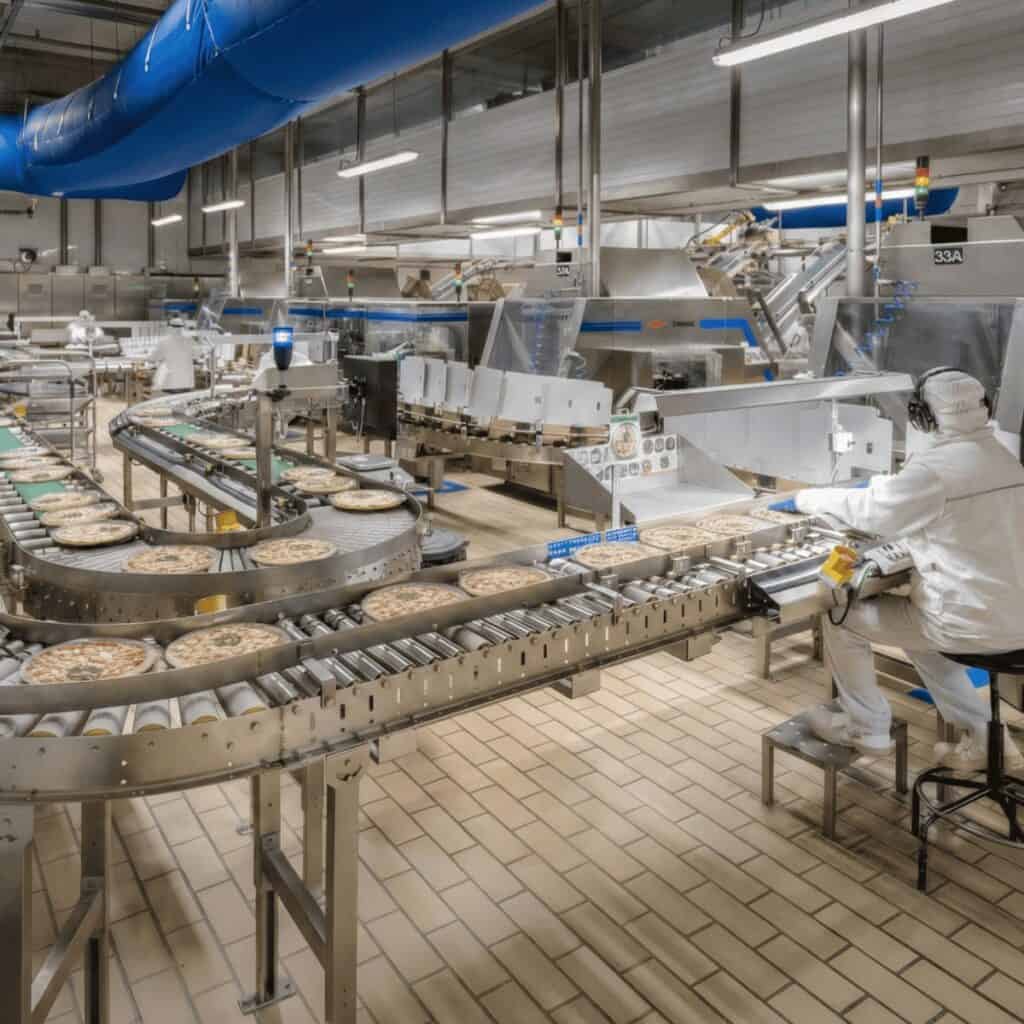
The ISO 12944 standard is the international reference for protecting steel structures against corrosion. Understanding its corrosivity categories (C1 to CX) is key to choosing the right material and finish for an electrical enclosure and to avoid premature failure in aggressive environments.
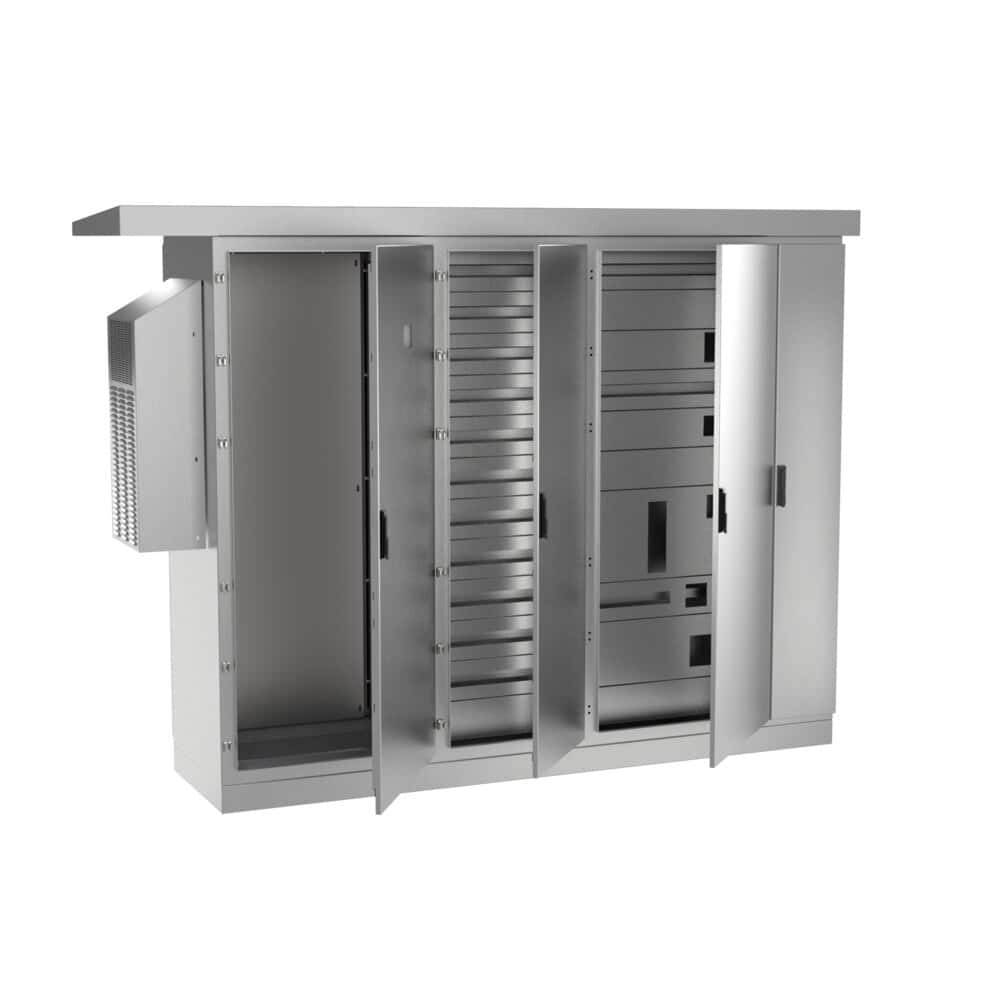
The 6 corrosivity categories (C1 to CX)
Part 2 of the standard (ISO 12944-2) classifies the aggressiveness of the environment by the steel mass loss per year. Since the 2017 revision, six levels are defined, including the extreme category CX for offshore environments:
| Category | Corrosivity | Typical environment | Examples |
|---|---|---|---|
| C1 | Very low | Heated interiors with dry atmosphere | Offices, shops, air-conditioned technical rooms |
| C2 | Low | Interiors with condensation; rural outdoor areas with low pollution | Warehouses, unheated halls, rural settings |
| C3 | Medium | Urban and industrial atmospheres with moderate pollution; low-salinity coast | Production plants, cities, food industry |
| C4 | High | Industrial areas and coastal zones with moderate salinity | Light chemical industry, swimming pools, seaside |
| C5 | Very high | Aggressive industrial areas with high humidity and high-salinity marine environments | Petrochemicals, water treatment, ports, meat industry |
| CX | Extreme | Offshore environments with high salinity and industrial areas with extreme humidity and aggressiveness | Offshore platforms, FPSO, offshore wind |
Note: in the 2017 revision, the former C5-I (industrial) and C5-M (marine) were merged into C5 and the CX category was added.
Durability of the protection system
ISO 12944 also defines durability ranges (the expected time to first major maintenance), which should not be confused with the service life of the equipment:
- Low (L): up to 7 years
- Medium (M): 7 to 15 years
- High (H): 15 to 25 years
- Very high (VH): more than 25 years
Which material and finish to choose by category
The corrosivity category determines the best combination of material and finish for the enclosure. This is our practical recommendation:
| Category | Recommended material/finish | Delvalle solution |
|---|---|---|
| C1–C2 | Painted or galvanised steel | Painted/galvanised steel enclosures |
| C3 | Galvanised + paint, or stainless steel | Outdoor enclosures |
| C4 | High-durability galvanised or AISI 304 stainless | AISI 304 stainless / reinforced galvanised |
| C5 | AISI 304 / 316L stainless steel | AISI 304L/316L stainless enclosures |
| CX | AISI 316L stainless steel | AISI 316L stainless for offshore/marine |

Real applications by corrosivity category
Food industry (C3–C5)
Frequent washdowns, humidity and chemical agents demand hygienic stainless enclosures. See the Food and beverage sector.
Outdoor and energy (C4–C5)
Radiation, rain and pollution outdoors. See the Electricity sector.
Offshore and marine (CX)
Maximum salinity: only AISI 316L stainless steel guarantees durability on platforms and offshore wind.